HONG KONG, CHINA
Victoria Peak: Hong Kong’s Most Iconic Attraction Victoria Peak ...


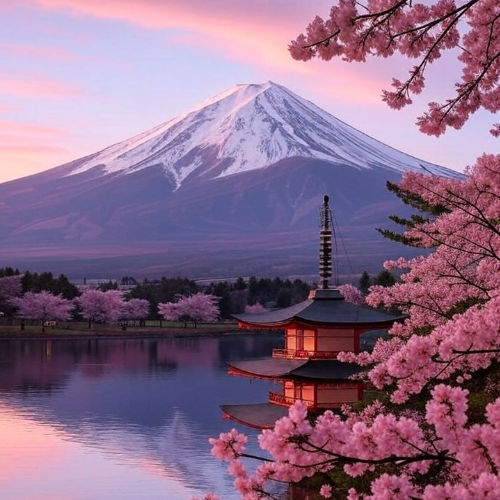
Mount Fuji: Japan’s Timeless Icon Beckons.
Mount Fuji stands as the most famous, a global symbol of Japan’s natural beauty and cultural heritage. This 3,776-meter stratovolcano, straddling Yamanashi and Shizuoka prefectures, is a UNESCO World Heritage Site and an enduring muse for artists, poets, and adventurers. Its perfectly conical, snow-capped peak draws millions annually, whether for climbing, photography, or simply soaking in its majestic presence.
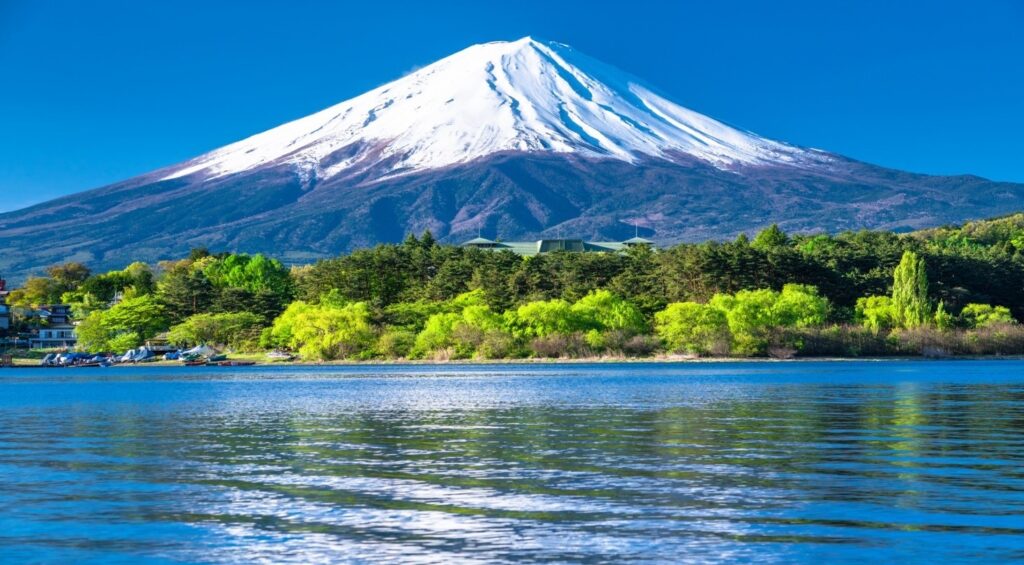
Mount Fuji’s allure lies in its versatility. In summer (July–September), climbers flock to its trails, with the Yoshida Trail being the most popular for its accessibility and stunning sunrise views from the summit. For non-climbers, the Fuji Five Lakes—particularly Lake Kawaguchiko—offer postcard-perfect reflections of Fuji, especially at dawn. Chureito Pagoda, with its iconic view of Fuji framed by cherry blossoms in spring, is a photographer’s dream. Winter transforms the mountain into a serene, snow-draped spectacle, visible from as far as Tokyo on clear days.
Beyond its natural splendor, Mount Fuji holds spiritual significance. Revered in Shinto and Buddhist traditions, it has been a pilgrimage site for centuries. Temples like Fujisan Hongu Sengen Taisha at its base offer a glimpse into this sacred history. The surrounding area also boasts hot springs, such as those in Hakone, perfect for relaxing after a day of exploration.
Travel Tips: Plan your climb with a guided tour for safety and book huts in advance. Wear layers and sturdy boots, as weather can change rapidly. For non-climbers, take a bus from Tokyo’s Shinjuku Station (2 hours) to Kawaguchiko for easy access. Visit Chureito Pagoda early to avoid crowds, especially in spring (April) for cherry blossoms or autumn (November) for vibrant foliage. Rent a bike to explore the lakes or enjoy a boat tour for unique Fuji views. Try local Hoto noodles for a hearty meal. Check weather forecasts, as clouds often hide Fuji’s peak. Use a JR Pass for cost-effective travel.
Mount Fuji’s blend of adventure, spirituality, and breathtaking scenery makes it an unmissable destination. Whether scaling its heights or admiring from afar, Fuji promises memories that linger long after your visit
Additionally, you can conveniently discover a variety of captivating tourist destinations throughout Chubu of JAPAN. – WTTD is thrilled to recommend top travel attractions for your next adventure! #WTTD
1. Shirakawa-go (Gifu)
Step Back in Time in a Fairy-Tale Village
Shirakawa-go’s UNESCO-listed gassho-zukuri farmhouses, with their steep thatched roofs, look like something from a storybook, especially under winter snow. This historic village offers a glimpse into rural Japan, with museums and open-air exhibits showcasing traditional life.
Travel Tips: Visit in winter (January–February) for the magical snow-lit evenings. Stay overnight in a farmhouse guesthouse for an authentic experience. Try local soba noodles and sake. Book accommodations early, as spots fill quickly. Take a bus from Takayama or Kanazawa, and check seasonal light-up event schedules. Dress warmly and wear sturdy shoes for snowy paths.
2. Kenrokuen Garden (Ishikawa)
A Masterpiece of Japanese Landscaping
Kenrokuen in Kanazawa, one of Japan’s “Three Great Gardens,” stuns with its seasonal beauty—cherry blossoms in spring, fiery maples in autumn, and snow-draped pines in winter. Its ponds, teahouses, and stone lanterns embody harmony.
Travel Tips: Pair your visit with Kanazawa Castle nearby. Arrive early to avoid crowds, especially in spring and autumn. Enjoy matcha tea at a garden teahouse. Use the Hokuriku Area Pass for affordable travel from Tokyo or Osaka. Wear comfortable shoes for walking the expansive grounds. Visit in winter for the yukitsuri ropes, which protect trees from heavy snow.
3. Takayama Old Town (Gifu)
Discover Little Kyoto’s Charm
Takayama’s Sanmachi Street, lined with Edo-period merchant houses, feels like stepping into old Japan. Sake breweries, craft shops, and the vibrant Takayama Festival (April and October) make this “Little Kyoto” a cultural gem.
Travel Tips: Visit during the Takayama Festival for colorful floats and parades. Sample Hida beef skewers and local sake. Rent a bike to explore nearby Hida Folk Village. Stay in a ryokan for traditional hospitality. Take a bus or train from Nagoya using the Takayama-Hokuriku Pass. Book festival accommodations months in advance. Wear comfortable shoes for cobblestone streets.
4. Matsumoto Castle (Nagano)
The Crow Castle’s Timeless Elegance
Matsumoto Castle, a National Treasure, stands out with its black-and-white exterior and original wooden interior. Known as the “Crow Castle,” it offers panoramic views of the Northern Alps from its keep.
Travel Tips: Climb the steep wooden stairs inside for a historical experience—wear slip-resistant shoes. Visit in spring for cherry blossoms or autumn for vibrant foliage. Pair with a stroll through Nakamachi Street’s shops. Take the JR Azusa Express from Tokyo (2.5 hours). Arrive early to beat tour groups. Check for seasonal night illuminations for stunning photos.
5. Tateyama Kurobe Alpine Route (Toyama/Nagano)
A Journey Through the Alps
The Tateyama Kurobe Alpine Route is a breathtaking journey through Japan’s Northern Alps, featuring snow walls (April–June), cable cars, and 3,000-meter peaks. This scenic route connects Toyama and Nagano with unforgettable views.
Travel Tips: Book tickets in advance for the April–June snow corridor. Dress in layers for high-altitude weather. Start early from Toyama or Ogizawa for a full day. Use the Alpine Route Pass for savings. Bring a camera for dramatic landscapes. Note that the route closes from December to mid-April, so plan accordingly.
6. Ise Jingu (Mie)
Japan’s Spiritual Heart
Ise Jingu, Japan’s most sacred Shinto shrine, is a serene complex of 125 shrines dedicated to the sun goddess Amaterasu. Its tranquil cedar groves and traditional architecture draw millions seeking spiritual connection.
Travel Tips: Visit the Inner Shrine (Naiku) and Outer Shrine (Geku) in one day. Dress respectfully (no revealing clothing). Explore nearby Okage Yokocho for local food and crafts. Take a Kintetsu train from Nagoya or Osaka. Arrive early for a peaceful experience. Photography is limited in sacred areas, so respect signage.
7. Jigokudani Monkey Park (Nagano)
Snow Monkeys in Hot Springs
Jigokudani Monkey Park is world-famous for its Japanese macaques soaking in natural hot springs amid snowy mountains. This unique wildlife experience in Yamanouchi is a photographer’s dream.
Travel Tips: Visit in winter (December–February) for snow-covered scenes. Wear sturdy, waterproof boots for the 1.6-km forest trail. Take a train to Yudanaka Station, then a bus or taxi. Arrive early to avoid crowds. Don’t feed or touch the monkeys. Pair with a stay at a nearby onsen ryokan for relaxation.
8. Higashi Chaya District (Ishikawa)
Kanazawa’s Geisha Heritage
Kanazawa’s Higashi Chaya District transports you to the Edo era with its preserved teahouses where geishas once performed. Today, it’s a charming area for shopping, tea, and cultural workshops.
Travel Tips: Visit Shima Teahouse for a glimpse into geisha life. Try gold-leaf ice cream, a Kanazawa specialty. Book a geisha performance if available. Take a train to Kanazawa using the Hokuriku Shinkansen. Wear comfortable shoes for narrow streets. Visit nearby Kenrokuen and Kanazawa Castle for a full day.
9. Nagoya Castle (Aichi)
A Glimpse of Samurai Grandeur
Nagoya Castle, built by Tokugawa Ieyasu, is famous for its golden kinshachi ornaments and rich history. Its reconstructed keep and gardens offer a window into Japan’s feudal past.
Travel Tips: Explore the Hommaru Palace for intricate Edo-era interiors. Visit in spring for cherry blossoms. Take the Meijo Line subway to Shiyakusho Station. Pair with a trip to Nagoya’s Atsuta Shrine. Arrive early for fewer crowds. Check for seasonal events like night illuminations or festivals.
10. Fuji Five Lakes (Yamanashi)
Fuji’s Scenic Playground
The Fuji Five Lakes, especially Lake Kawaguchiko, offer postcard-perfect views of Mount Fuji. This area is ideal for boating, hiking, and photography, with seasonal festivals adding charm.
Travel Tips: Visit Chureito Pagoda for iconic Fuji shots. Rent a bike to explore the lakes. Stay in a ryokan with Fuji views. Take a bus from Tokyo’s Shinjuku Station (2 hours). Visit in autumn or spring for vibrant scenery. Check weather forecasts, as clouds can obscure Fuji.
11. Kiso Valley (Nagano)
Walk the Historic Nakasendo Trail
Kiso Valley’s Nakasendo Trail connects preserved post towns like Tsumago and Magome, offering a journey through Edo-era Japan. Lush forests and traditional architecture make it a hiker’s paradise.
Travel Tips: Walk the 8-km Magome-to-Tsumago trail (2–3 hours). Wear sturdy hiking shoes. Stay in a minshuku for local hospitality. Take a train to Nakatsugawa or Nagiso from Nagoya. Visit in spring or autumn for mild weather. Try gohei mochi, a local rice cake specialty.
12. Gokayama (Toyama)
A Quieter Shirakawa-go Alternative
Gokayama, a UNESCO World Heritage Site, features gassho-zukuri farmhouses in serene villages like Ainokura and Suganuma. Less crowded than Shirakawa-go, it’s perfect for an authentic rural experience.
Travel Tips: Stay in a farmhouse guesthouse for a cultural immersion. Visit in winter for snowy charm. Take a bus from Shirakawa-go or Takaoka. Try local crafts like washi paper-making. Book accommodations early. Wear warm clothing and sturdy shoes for village exploration.
13. Eiheiji Temple (Fukui)
Zen Serenity in the Mountains
Eiheiji Temple, a Soto Zen monastery, offers a peaceful retreat with over 200 monks practicing meditation. Its cedar-lined halls and spiritual atmosphere are ideal for reflection.
Travel Tips: Join a guided tour or meditation session (book ahead). Dress modestly and remove shoes indoors. Take a train to Fukui, then a bus to Eiheiji. Visit in autumn for colorful foliage. Respect the temple’s quiet atmosphere. Pair with a visit to Fukui’s Dinosaur Museum.
14. Kurobe Gorge (Toyama)
Nature’s Dramatic Canvas
Kurobe Gorge, Japan’s deepest V-shaped gorge, offers stunning views via a scenic trolley train. Its forested ravines and hot springs are especially vibrant in autumn.
Travel Tips: Book trolley train tickets early (May–November). Wear layers for cool gorge weather. Stay at Unazuki Onsen for hot springs. Take a train to Unazuki Onsen Station from Toyama. Visit in October for peak foliage. Bring a camera for breathtaking scenery.
15. Inuyama Castle (Aichi)
A Historic Gem by the River
Inuyama Castle, one of Japan’s oldest original castles, is a National Treasure perched above the Kiso River. Its compact size and authentic wooden keep exude samurai-era charm.
Travel Tips: Climb to the top for river views—wear non-slip shoes. Visit in spring for cherry blossoms. Take a Meitetsu train from Nagoya (30 minutes). Pair with Inuyama’s historic streets. Arrive early to avoid crowds. Check for the Inuyama Festival in April.
16. Atami Onsen (Shizuoka)
Relax by the Sea
Atami Onsen, a historic hot spring resort on the Izu Peninsula, was a favorite of Tokugawa Ieyasu. Its oceanfront ryokans and soothing baths offer ultimate relaxation.
Travel Tips: Book a ryokan with onsen baths and sea views. Visit Atami Plum Garden in early spring. Take the Shinkansen to Atami (45 minutes from Tokyo). Try local seafood dishes. Walk the beachfront promenade. Visit mid-week for fewer crowds.
17. Fuji-Q Highland (Yamanashi)
Thrills with a Fuji Backdrop
Fuji-Q Highland is a thrill-seeker’s paradise with record-breaking roller coasters and a chilling haunted hospital. Mount Fuji’s stunning backdrop adds to the excitement.
Travel Tips: Buy tickets online to skip lines. Visit on weekdays to avoid crowds. Take a bus from Shinjuku (1.5 hours). Bring sunscreen and water for outdoor rides. Try the Fuji Airways flight simulator for Fuji views. Check height restrictions for kids.
18. Korankei Valley (Aichi)
Autumn’s Fiery Spectacle
Korankei Valley, near Toyota City, is renowned for its vibrant autumn foliage, with thousands of maple trees lining the Tomoe River. Its historic Taigetsukyo Bridge adds charm.
Travel Tips: Visit in mid-November for peak foliage. Hike to Kojakuji Temple for scenic views. Take a bus from Toyotashi Station. Arrive early to avoid crowds. Try local chestnuts or soba. Bring a camera for stunning autumn shots.
We sincerely thank Suzuki for providing us with a beautiful photo and a wonderful video that clearly showcase Tohoku, Japan.
He also shared 18 photos of 18 famous tourist check-in locations. We truly appreciate this amazing cooperation.
Thank you very much for visiting WTTD. We look forward to receiving your sincere and constructive feedback. We wish you a happy and enjoyable trip!
WTTD- Easy and Happy 💕💖💕
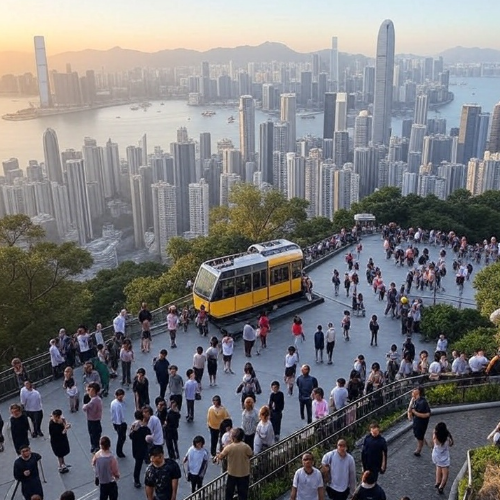
Victoria Peak: Hong Kong’s Most Iconic Attraction Victoria Peak ...

Discover the Majesty of Sheikh Zayed Grand Mosque in ...
Leave A Reply