JIANGSU, CHINA
The Most Famous Place in Jiangsu: Humble Administrator’s Garden ...


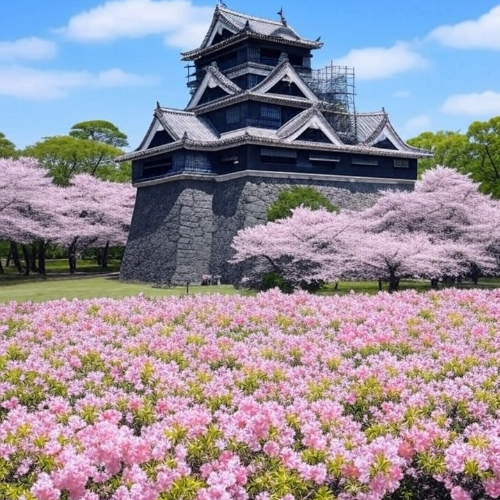
Kumamoto Castle: A Timeless Samurai Stronghold
Nestled in the heart of Kumamoto City, Kumamoto Castle is a breathtaking symbol of Japan’s samurai heritage, often hailed as one of the country’s top three castles. Known as the “Crow Castle” for its striking black exterior, this 17th-century fortress captivates with its robust stone walls, intricate turrets, and commanding presence atop Chibajo Hill. Built in 1607 by warlord Kato Kiyomasa, it boasts advanced defensive features like steep, curved walls that thwarted invaders. Despite damage from the 2016 earthquake, ongoing restoration has revived key areas, including the main keep, offering visitors a glimpse into its storied past.
Step inside to explore reconstructed interiors filled with samurai artifacts, armor, and panoramic views of Kyushu’s lush landscapes from the top tower. The castle grounds burst into life during spring, when 800 cherry trees create a pink canopy, drawing photographers and hanami enthusiasts. Nearby, Suizenji Jojuen Garden, a tranquil Edo-period strolling garden, complements your visit with its miniature Mount Fuji and tea house.Travel Tips:
Kumamoto Castle’s blend of history, beauty, and resilience makes it Kyushu’s crown jewel. Whether you’re a history buff or a casual traveler, this iconic fortress promises an unforgettable journey into Japan’s samurai soul.
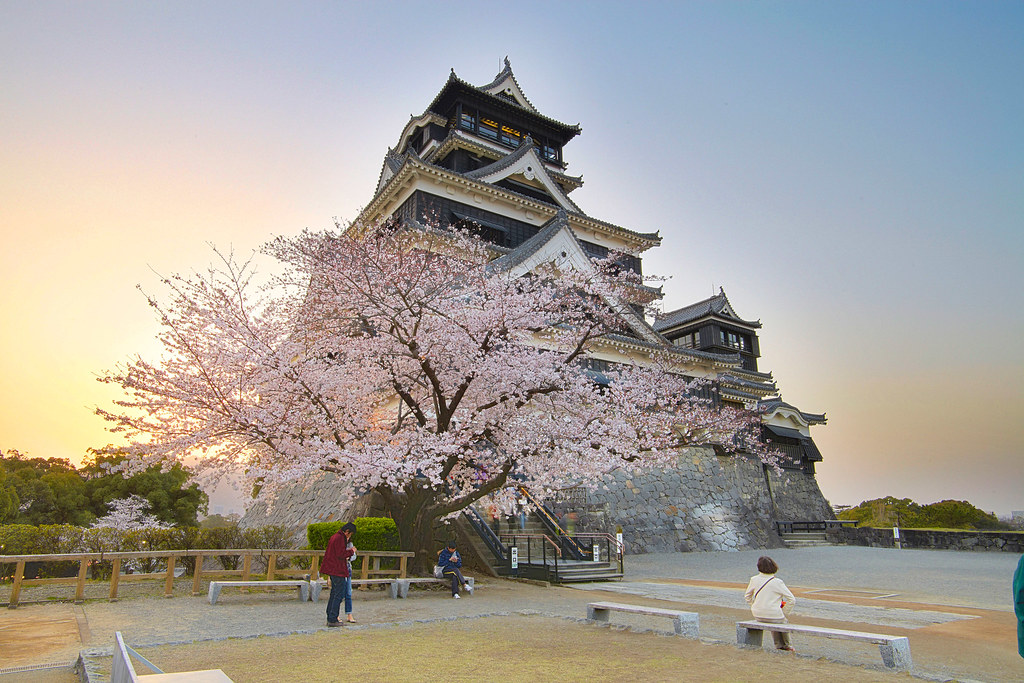
Additionally, you can conveniently discover a variety of captivating tourist destinations throughout Kyushu of JAPAN. – WTTD is thrilled to recommend top travel attractions for your next adventure! #WTTD
1. Dazaifu Tenmangu Shrine (Dazaifu, Fukuoka)
Discover the Shrine of Scholars
Step into the serene Dazaifu Tenmangu Shrine, dedicated to Sugawara Michizane, the deity of learning. Surrounded by 6,000 plum trees, this sacred site bursts into pink and white hues every spring. Wander through historic halls, pray for academic success, and savor Umegae Mochi, a sweet rice cake grilled to perfection.
Travel Tips:
2. Fukuoka City (Hakata Area, Fukuoka)
Savor the Pulse of Kyushu
Fukuoka, Kyushu’s vibrant heart, blends urban energy with culinary fame. Slurp tonkotsu ramen at yatai food stalls, shop at the dazzling Canal City Hakata, or catch sunset views from Fukuoka Tower. Ohori Park offers a tranquil escape with its castle moat and gardens.
Travel Tips:
3. Nanzoin Temple (Sasaguri, Fukuoka)
Meet the Giant Reclining Buddha
Marvel at Nanzoin Temple’s colossal bronze reclining Buddha, one of the largest in the world, stretching 41 meters long. Nestled in a lush valley, this peaceful retreat invites quiet reflection and stunning photo ops. The surrounding trails add a touch of nature to your spiritual journey.
Travel Tips:
4. Yanagawa Canal Boat Ride (Yanagawa, Fukuoka)
Glide Through Japan’s Venice
Drift along Yanagawa’s picturesque canals on a traditional boat, guided by singing boatmen sharing local tales. Lined with willows and historic homes, this “City of Water” feels like a step back in time. Savor unagi (grilled eel) at a riverside restaurant afterward.
Travel Tips:
5. Arita Porcelain Town (Arita, Saga)
Craft Your Memories in Arita
Arita, the cradle of Japanese porcelain, dazzles with its ceramic heritage. Stroll through workshops, admire intricate designs at the Kyushu Ceramic Museum, and visit Tozan Shrine with its porcelain torii gate. Pick up a unique souvenir from local kilns.
Travel Tips:
6. Yutoku Inari Shrine (Kashima, Saga)
Chase Serenity at a Sacred Shrine
Yutoku Inari Shrine, one of Japan’s top Inari shrines, enchants with its vibrant red torii gates cascading down a forested hill. Dedicated to prosperity, it’s a spiritual haven with stunning views. Explore nearby Kashima’s traditional streets for a cultural dip.
Travel Tips:
7. Nagasaki Peace Park & Atomic Bomb Museum (Nagasaki)
Reflect on Peace and History
Nagasaki’s Peace Park and Atomic Bomb Museum offer a poignant tribute to the 1945 atomic bombing. The Peace Statue and Hypocenter Park inspire reflection, while the museum shares moving stories of resilience. A must for understanding global history.
Travel Tips:
8. Gunkanjima (Hashima Island, Nagasaki)
Explore an Abandoned Island
Gunkanjima, or “Battleship Island,” is a UNESCO-listed ghost town frozen in time. Once a bustling coal mine, its crumbling concrete and eerie silence captivate adventurers. Take a boat tour to hear its haunting history, featured in Skyfall.
Travel Tips:
9. Huis Ten Bosch (Sasebo, Nagasaki)
Step into a Dutch Dreamland
Huis Ten Bosch is a whimsical theme park recreating a Dutch village with canals, windmills, and tulip gardens. Enjoy rides, a robot parade, and seasonal light shows. It’s a quirky blend of European charm and Japanese flair.
Travel Tips:
10. Dejima (Nagasaki)
Uncover Japan’s Trading Past
Dejima, once a man-made island for Dutch traders during Japan’s isolation, is now a fascinating open-air museum. Explore reconstructed buildings and exhibits showcasing 17th-century East-West exchanges. Pair it with a stroll through Nagasaki’s Chinatown.
Travel Tips:
11. Kurokawa Onsen (Minamioguni, Kumamoto)
Soak in Rustic Relaxation
Kurokawa Onsen is a charming hot spring village with traditional ryokan and steaming outdoor baths. Stroll in a yukata, hop between onsen using a bath pass, and unwind in nature’s embrace. The riverside setting is pure bliss.
Travel Tips:
12. Mount Aso (Aso Region, Kumamoto)
Venture into a Volcanic Wonderland
Mount Aso boasts Japan’s largest active volcanic caldera, with steaming Nakadake crater as its star. Take a ropeway or hike for jaw-dropping views of rugged landscapes and grassy plains. It’s a nature lover’s paradise.
Travel Tips:
13. Beppu Onsen & Hells of Beppu (Oita)
Dive into Hot Spring Heaven
Beppu, Japan’s onsen capital, is famous for its steaming “Hells” like the turquoise Umi Jigoku. Tour these geothermal wonders, then relax in a soothing public bath or ryokan onsen. It’s relaxation with a fiery twist.
Travel Tips:
14. Yufuin Onsen Town (Oita)
Find Charm by Mount Yufu
Yufuin is a postcard-perfect onsen town with Kinrin Lake’s misty beauty, boutique shops, and cozy cafes. Soak in a hot spring, explore art galleries, or hike Mount Yufu for stunning views. It’s a romantic escape.
Travel Tips:
15. Takachiho Gorge (Miyazaki)
Paddle Through Mythical Waters
Takachiho Gorge, with its turquoise river and towering Minainotaki Waterfall, is a natural wonder tied to Shinto mythology. Rent a rowboat to glide through the gorge or visit Takachiho Shrine for nightly kagura dance performances.
Travel Tips:
16. Aoshima Beach & Shrine (Miyazaki)
Bask in Tropical Serenity
Aoshima, a tiny island connected by a bridge, boasts the unique “Devil’s Washboard” rock formations and a vibrant Shinto shrine surrounded by palms. It’s a tropical gem perfect for beach strolls and spiritual moments.
Travel Tips:
17. Yakushima Island (Kagoshima)
Hike Through an Ancient Forest
Yakushima, a UNESCO World Heritage Site, is a lush island of ancient cedars, including the 7,000-year-old Jomon Sugi. Its mossy trails, featured in Princess Mononoke, offer epic hikes and waterfalls. A nature lover’s dream.
Travel Tips:
We sincerely thank Suzuki for providing us with a beautiful photo and a wonderful video that clearly showcase Tohoku, Japan.
He also shared 17 photos of 17 famous tourist check-in locations. We truly appreciate this amazing cooperation.
Thank you very much for visiting WTTD. We look forward to receiving your sincere and constructive feedback. We wish you a happy and enjoyable trip!
WTTD- Easy and Happy
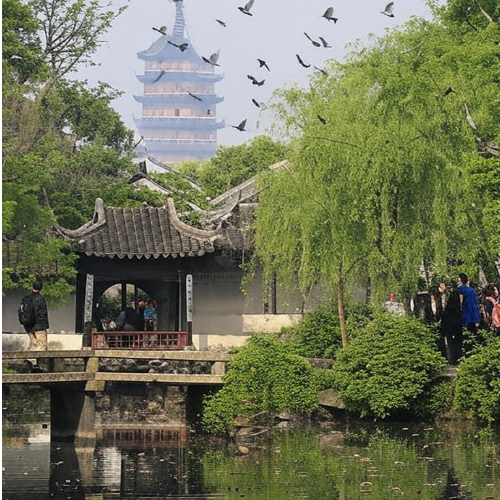
The Most Famous Place in Jiangsu: Humble Administrator’s Garden ...
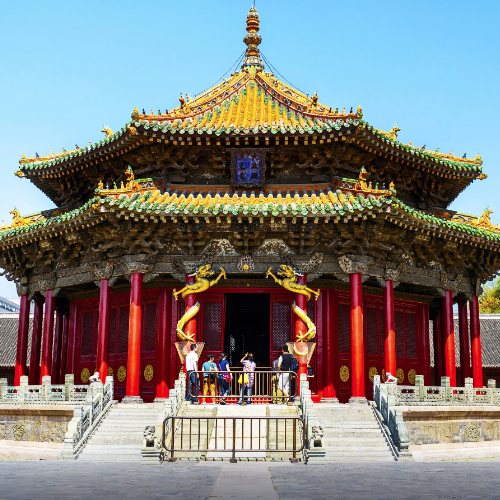
The Most Famous Attraction: Shenyang Imperial Palace (Mukden Palace) ...
Leave A Reply