BREMEN, GERMANY
Bremen Town Musicians Statue No single spot defines Bremen ...


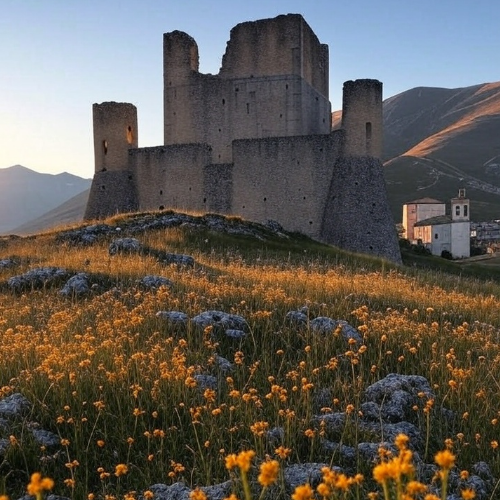
Rocca Calascio: Abruzzo’s Iconic Fortress in the Sky
Perched at nearly 1,500 meters in the Gran Sasso and Monti della Laga National Park, Rocca Calascio is a medieval masterpiece that feels like it’s suspended between earth and sky. This ancient fortress, one of Italy’s highest, offers sweeping views of the Apennine mountains and rolling valleys, making it a must-visit for anyone exploring Abruzzo. Its weathered stone walls, dating back to the 10th century, whisper tales of medieval battles and noble families, while its cinematic fame adds a touch of Hollywood allure. The nearby octagonal church of Santa Maria della Pietà enhances the site’s mystical charm.
Visiting Rocca Calascio is like stepping into a postcard. The short hike to the fortress is manageable but requires sturdy shoes, especially in cooler months when the mountain air turns crisp. Spring and autumn offer the best weather, with wildflowers or golden hues framing the landscape. Photographers will love the golden hour, when the castle glows against the sunset. Pair your visit with a stay in nearby Santo Stefano di Sessanio, a restored medieval village with cozy, historic accommodations. Savor local Abruzzese dishes like arrosticini (grilled lamb skewers) at a nearby trattoria, and bring a jacket for chilly evenings. For a full experience, explore the Gran Sasso trails or visit Campo Imperatore, dubbed “Little Tibet,” for more breathtaking scenery. Rocca Calascio isn’t just a destination—it’s an unforgettable journey into Abruzzo’s soul.
Travel Tips: Arrive early to avoid crowds, check weather conditions, and pack a picnic to enjoy the panoramic views. Combine with a visit to Santo Stefano for a perfect day trip.
Additionally, you can conveniently discover a variety of captivating tourist destinations throughout Abruzzo of ITALY . – WTTD is thrilled to recommend top travel attractions for your next adventure! #WTTD
1. Santo Stefano di Sessanio: A Medieval Time Capsule
Santo Stefano di Sessanio, a beautifully restored hilltop village, offers a glimpse into Abruzzo’s past. Its stone houses and cobbled streets, part of the “albergo diffuso” concept, let you stay in historic homes turned boutique accommodations. Surrounded by the Gran Sasso, it’s a haven for history lovers and slow travelers.
Travel Tips: Book a room in the albergo diffuso for an authentic stay. Visit in late summer for the lentil festival, celebrating local produce. Explore on foot and stop at local cafes for homemade pastries. Bring a jacket for cool mountain evenings, and consider a day trip to nearby Rocca Calascio for a full medieval immersion.
2. Gran Sasso and Monti della Laga National Park: Nature’s Masterpiece
Home to Corno Grande, the Apennines’ highest peak, Gran Sasso and Monti della Laga National Park is a paradise for outdoor enthusiasts. Its dramatic peaks, rolling meadows, and wildlife like chamois make it ideal for hiking, skiing, or simply soaking in nature.
Travel Tips: Hike the trail to Corno Grande in summer for stunning views, but bring proper gear as weather can change fast. Visit Campo Imperatore for wildflower blooms in spring. Stay in a mountain rifugio for an authentic experience. Check trail conditions beforehand, and pack a camera for the jaw-dropping vistas.
3. Majella National Park: Spiritual and Wild
Majella National Park, with its rugged peaks and deep valleys, is a haven for adventurers and spiritual seekers. Home to ancient hermitages like San Bartolomeo in Legio, it blends nature with mysticism. Spot wolves or peregrine falcons while exploring its trails.
Travel Tips: Visit in autumn for vibrant foliage. Hike to the hermitages for a peaceful retreat—San Bartolomeo is a short, scenic trek. Wear sturdy boots and bring water. Stay in nearby Caramanico Terme for thermal baths to relax post-hike. Local eateries serve hearty Abruzzese dishes like arrosticini.
4. Abruzzo, Lazio, and Molise National Park: Wildlife Wonderland
One of Italy’s oldest national parks, this gem protects rare Marsican bears and offers pristine forests and meadows. Perfect for hiking and wildlife spotting, it’s a tranquil escape from crowded tourist spots.
Travel Tips: Join a guided wildlife tour to increase your chances of spotting bears or wolves. Visit in spring for blooming wildflowers or autumn for colorful landscapes. Stay in Pescasseroli for easy park access. Pack binoculars and comfortable hiking shoes. Try local cheeses at nearby markets for a true taste of Abruzzo.
5. Scanno: The Heart-Shaped Haven
Scanno, one of Italy’s most beautiful villages, captivates with its medieval charm and heart-shaped Lake Scanno. Known for its jewelry craftsmanship and traditional costumes, it’s a cultural gem nestled in the mountains.
Travel Tips: Stroll the narrow streets to admire stone houses and visit local jewelers. Rent a pedal boat on Lake Scanno for a romantic outing. Visit in winter for skiing or summer for lakeside picnics. Try scannese polenta at local trattorias. Wear comfortable shoes for exploring the hilly village.
6. Sulmona: The City of Sugared Almonds
Sulmona, the birthplace of poet Ovid, is famous for its colorful “confetti” (sugared almonds) and vibrant markets. Surrounded by mountains, its historic center boasts elegant piazzas and Gothic architecture.
Travel Tips: Visit Piazza Garibaldi for the weekly market and sample confetti at local shops like Pelino. Explore the Ovid statue and Annunziata Palace. Spring is ideal for mild weather. Dine at trattorias for local specialties like red garlic pasta. Consider a day trip to nearby Scanno for a village contrast.
7. Pescara: Adriatic Vibrancy
Pescara, Abruzzo’s lively coastal city, offers 20 kilometers of sandy beaches and a bustling waterfront. With modern vibes, great seafood, and a vibrant nightlife, it’s perfect for beach lovers and city explorers.
Travel Tips: Relax on Pescara’s beaches in summer and enjoy seafood at restaurants along the promenade. Visit the Birthplace of Gabriele D’Annunzio museum for cultural insights. Rent a bike to explore the Ponte del Mare bridge. Stay near the coast for easy beach access, and try local brodetto (fish stew).
8. Civitella del Tronto: Fortress of History
Civitella del Tronto boasts one of Italy’s largest fortresses, a 16th-century marvel with sweeping views. The charming village below is perfect for history buffs and those seeking panoramic beauty.
Travel Tips: Tour the fortress for its museum and stunning vistas—best at sunset. Wander the village’s narrow streets and try local wines. Visit in spring or autumn to avoid crowds. Wear comfortable shoes for the fortress climb. Pair with a trip to nearby Ascoli Piceno for a cross-regional adventure.
9. L’Aquila: The Florence of Abruzzo
L’Aquila, the regional capital, blends rich history with resilience. Known for its cultural treasures like the MUNDA museum and soft chocolate nougat, it’s a city of art and heart.
Travel Tips: Visit the Basilica of Santa Maria di Collemaggio for its stunning facade. Explore the historic center and sample torrone at local shops. Spring or fall offers pleasant weather. Stay in a central hotel for easy access to sights. Try local saffron-infused dishes at nearby restaurants.
10. Roccascalegna: Cliffside Castle Magic
Roccascalegna’s 16th-century castle, perched dramatically on a limestone cliff, is a fairy-tale sight. The village’s cobblestone streets and sweeping views make it a hidden gem for explorers.
Travel Tips: Visit the castle for its eerie beauty and panoramic views—best in the late afternoon. Explore the village’s quiet charm and local cafes. Spring or autumn is ideal for mild weather. Wear sturdy shoes for uneven paths. Pair with a visit to nearby Fara San Martino for a full day.
11. Trabocchi Coast: Seafood and Stilts
The Trabocchi Coast is famous for its unique wooden fishing platforms, many now serving as restaurants. Stretching along the Adriatic, it offers stunning sea views and fresh seafood.
Travel Tips: Dine at a trabocco restaurant like Trabocco Punta Tufano for a memorable meal. Visit in summer for beach vibes or autumn for quieter shores. Book dining in advance. Explore nearby San Vito Chietino for coastal charm. Bring sunscreen and a hat for sunny days.
12. Lake Barrea: Mountain Serenity
Nestled in the Abruzzo, Lazio, and Molise National Park, Lake Barrea’s turquoise waters and mountain backdrop create a serene escape. Perfect for water sports, camping, or relaxation.
Travel Tips: Rent a kayak or paddleboard in summer for lake fun. Camp nearby for a nature-filled stay. Visit in spring for wildflowers or autumn for crisp air. Pack a picnic and binoculars for wildlife spotting. Try local honey at nearby markets.
13. Lake Scanno: Heart-Shaped Beauty
Lake Scanno, with its heart-shaped outline, is a romantic gem near Scanno village. Surrounded by mountains, it’s ideal for leisurely walks or water activities.
Travel Tips: Rent a pedal boat or rowboat for a lake adventure. Visit in summer for swimming or autumn for stunning foliage. Pair with a trip to Scanno village for local crafts. Bring a camera for the iconic heart-shaped view. Enjoy lakeside cafes for regional dishes.
14. Chieti: Ancient Meets Modern
Chieti, one of Italy’s oldest cities, blends archaeological treasures like the Warrior of Capestrano statue with a lively modern vibe. Its hilltop setting offers coastal views.
Travel Tips: Visit the National Archaeological Museum for ancient artifacts. Stroll Corso Marrucino for shops and cafes. Spring or fall is best for mild weather. Try local arrosticini at trattorias. Combine with a beach day in nearby Francavilla al Mare.
15. Teramo: History and Charm
Teramo, nestled between the Gran Sasso and the Adriatic, boasts a Romanesque cathedral and ancient Roman ruins. Its vibrant streets and markets make it a cultural hub.
Travel Tips: Explore the Cathedral of San Berardo and Roman amphitheater. Visit the weekly market for local produce. Spring or autumn offers pleasant weather. Stay in the historic center for easy access. Try regional wines and pasta alla chitarra at local eateries.
16. Vasto: Coastal Elegance
Vasto combines a medieval center with sandy beaches and the Renaissance-era Palazzo d’Avalos. Once home to poet Vittoria Colonna, it’s a blend of history and seaside charm.
Travel Tips: Visit Palazzo d’Avalos for its museums and gardens. Relax on Vasto Marina’s beaches in summer. Explore the old town’s Loggia Amblingh for sea views. Try local seafood dishes. Visit in spring for fewer crowds and mild weather.
17. Fara San Martino: Pasta and Canyons
Fara San Martino, a hub for pasta production (like De Cecco), sits at the foot of the Maiella. Its nearby “gole” (canyons) offer thrilling hikes through dramatic landscapes.
Travel Tips: Hike the Gole di San Martino trail for stunning views—bring sturdy shoes. Visit pasta factories for tours or tastings. Spring or autumn is ideal for hiking. Sample local pasta dishes at village restaurants. Pair with a trip to Guardiagrele.
18. Guardiagrele: Artisanal Beauty
Guardiagrele, at the base of the Maiella, is renowned for its goldsmithing and copper crafts. Its charming streets and mountain views make it a delightful stop.
Travel Tips: Visit local artisan shops for unique jewelry or copper souvenirs. Explore the Santa Maria Maggiore church. Hike nearby Maiella trails in spring or autumn. Try sise delle monache (local pastries) at cafes. Stay in a nearby agriturismo for a rustic experience.
19. Campo Imperatore: Little Tibet
Known as “Little Tibet,” Campo Imperatore is a vast plateau in the Gran Sasso, offering breathtaking views and a sense of untouched wilderness. Perfect for hiking and stargazing.
Travel Tips: Visit in summer for hiking or winter for skiing. Stay in a rifugio for an authentic mountain experience. Bring warm layers, as it gets chilly. Try local pecorino cheese at nearby farms. Capture sunrise or sunset for unforgettable photos.
WTTD- EASY AND HAPPY 💕💖💕

Bremen Town Musicians Statue No single spot defines Bremen ...

Bonifacio: Corsica’s Clifftop Marvel Bonifacio stands out as the ...
Leave A Reply