ATTICA( ATTIKI), GREECE
Discover the Acropolis of Athens: Crown Jewel of Ancient ...


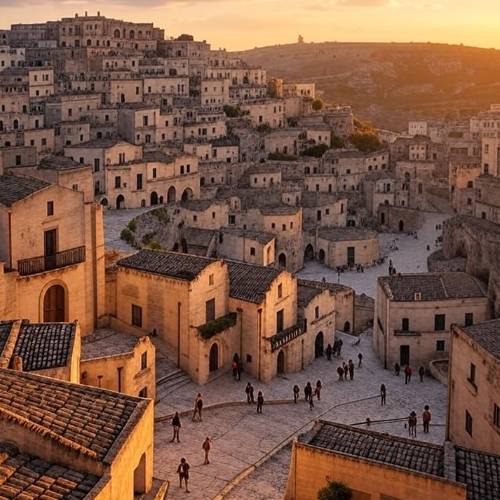
Matera: The Timeless City of Stone
Matera stands out as the most famous, celebrated worldwide as a UNESCO World Heritage Site and one of humanity’s oldest continuously inhabited cities. Known for its Sassi di Matera—ancient cave dwellings carved into limestone cliffs—Matera is a living museum that blends prehistoric roots with cinematic allure. Its rugged, otherworldly landscape has starred in films like The Passion of the Christ and No Time to Die, drawing global travelers to its labyrinthine alleys, rock-hewn churches, and breathtaking vistas. The Sassi, divided into Sasso Caveoso and Sasso Barisano, offer a glimpse into a 9,000-year history, from troglodyte settlements to vibrant modern life.
Wander through narrow streets to discover rupestrian churches like San Pietro Barisano, adorned with ancient frescoes, or visit Casa Noha for a multimedia journey through Matera’s past. The Belvedere di Murgia Timone, across the Gravina canyon, offers a stunning skyline view, especially at sunset. Matera’s charm lies in its seamless blend of history and culture—boutique cave hotels, artisanal shops, and trattorias serving orecchiette with peperoni cruschi create an unforgettable experience.
Travel Tips: Stay in a cave hotel for an authentic, immersive stay—book early, as they’re popular. Join a guided walking tour to unravel Matera’s layered history, ideally at dawn to avoid crowds. Savor local Aglianico wine and lucanica sausage at a Sasso Caveoso restaurant. Visit in spring (April-May) or autumn (September-October) for mild weather and fewer visitors. A car is recommended, as public transport is limited, though Matera’s train station connects to Bari. Don’t miss the Murgia Materana Park nearby for prehistoric caves and panoramic hikes. Matera’s unique blend of ancient heritage and modern vibrancy makes it Basilicata’s unmissable gem, promising a journey through time.
Additionally, you can conveniently discover a variety of captivating tourist destinations throughout Basilicata of ITALY . – WTTD is thrilled to recommend top travel attractions for your next adventure! #WTTD
1. Maratea: The Pearl of the Tyrrhenian
Maratea, Basilicata’s coastal gem, dazzles with turquoise waters, sandy beaches, and a historic hilltop village. Known as the “Pearl of the Tyrrhenian,” its crown jewel is the 22-meter Cristo Redentor statue atop Monte San Biagio, offering sweeping sea views. Explore over 40 churches, like Santa Maria Maggiore, and relax at beaches like Fiumicello.
Travel Tips: Take a boat tour to discover hidden coves and sea caves. Hike to the Christ statue for sunset views. Stay in the charming Il Borgo district for authentic vibes. Try local seafood dishes, like anchovy-stuffed peppers, at a seaside restaurant. Summer (June-August) is ideal for beachgoers, but spring or autumn offers fewer crowds. Maratea’s train station connects to Naples or Salerno, making it accessible.
2. Pollino National Park: Nature’s Masterpiece
Straddling Basilicata and Calabria, Pollino National Park is Italy’s largest, boasting rugged peaks, lush forests, and rare wildlife like the Apennine wolf. Its dramatic landscapes, prehistoric caves, and natural hot springs make it a paradise for outdoor enthusiasts. Hike to Serra Dolcedorme for breathtaking views or explore quaint villages like Morano Calabro.
Travel Tips: Book a guided hike to navigate trails safely and spot unique flora like the Bosnian pine. Visit in spring for wildflowers or autumn for vibrant foliage. Pack sturdy shoes and layered clothing, as weather can change rapidly. Stay in a local agriturismo for farm-fresh meals like lagane e ceci (pasta with chickpeas). A car is essential to reach trailheads, as public transport is sparse.
3. Castelmezzano & Pietrapertosa: The Lucanian Dolomites Adventure
Nestled in the jagged Dolomiti Lucane, the hilltop villages of Castelmezzano and Pietrapertosa offer medieval charm and thrilling experiences. Connected by the Volo dell’Angelo zip-line, soaring 400 meters above rocky valleys, these villages deliver adrenaline and stunning views. Wander cobblestone streets and admire ancient stone houses.
Travel Tips: Book the zip-line in advance, especially in summer, and wear comfortable clothing. Explore both villages on foot for their unique churches and panoramic lookouts. Stay overnight in a local B&B to catch the sunrise. Try regional dishes like strascinati with peperoni cruschi (crispy peppers). A car is necessary to reach these remote villages, with Potenza as the nearest hub. Visit in May or September for mild weather and fewer crowds.
4. Craco: The Haunting Ghost Town
Craco, an abandoned medieval village, enchants with its eerie beauty. Deserted in 1963 due to landslides, its crumbling towers and ghostly streets have starred in films like Quantum of Solace. Perched amid lunar-like badlands, it’s a photographer’s dream and a time capsule of Basilicata’s past.
Travel Tips: Join a guided tour to safely explore Craco’s restricted areas, as independent access is limited. Wear sturdy shoes for uneven terrain. Visit at sunrise or sunset for dramatic lighting. Pair your trip with a stop in nearby Matera, about 45 minutes away by car. Try local wines like Aglianico del Vulture at a nearby eatery. Spring or autumn is ideal to avoid summer heat. A car is essential, as public transport doesn’t reach Craco.
5. Metaponto: A Journey to Magna Grecia
Metaponto, on Basilicata’s Ionian coast, blends golden beaches with ancient history. Its archaeological park features the Palatine Tables, a 6th-century BC Doric temple dedicated to Hera, reflecting its Magna Grecia roots. The nearby museum showcases artifacts from this ancient Greek settlement.
Travel Tips: Visit the archaeological site early to beat the heat, and combine it with a relaxing afternoon at Metaponto’s beaches. Rent a bike to explore the coastal area. Savor local seafood, like grilled octopus, at a beachfront restaurant. The Metaponto train station connects to Bari or Taranto, making it accessible. Stay in a nearby resort for beach access. Summer is peak season, but spring or early autumn offers a quieter experience.
6. Venosa: Where Poetry Meets History
Venosa, birthplace of Roman poet Horace, is a treasure trove of history. Explore the Aragonese Castle’s Archaeological Museum, Jewish catacombs, and the Abbazia della Santissima Trinità, a blend of Roman and Norman architecture. Its charming streets exude timeless appeal.
Travel Tips: Visit the castle and abbey in the morning, then stroll Venosa’s historic center. Join a guided tour to understand the town’s layered history. Try local marroncino del Vulture, a chestnut-based dessert, at a trattoria. Venosa is reachable by bus from Potenza or Bari, but a car offers flexibility. Stay in a local guesthouse for an authentic feel. Autumn’s harvest season (September-October) is perfect for foodies, with festivals showcasing regional wines and produce.
7. Potenza: The Heart of Basilicata
Potenza, Basilicata’s capital, sits high in the Apennines, offering a blend of urban charm and mountain views. Its historic center features the 12th-century Dome of Potenza and the National Archaeological Museum. Narrow streets lead to vibrant piazzas buzzing with local life.
Travel Tips: Start at Piazza Mario Pagano for coffee and explore the cathedral. Visit the museum for Lucanian artifacts. Hike nearby trails like Monte Vulture for outdoor adventure. Enjoy local dishes like baccalà alla lucana (cod stew) at a city trattoria. Potenza’s train station connects to Naples and Bari, making it accessible. Stay in the city center for convenience. Spring or autumn is ideal, and don’t miss the Feast of San Gerardo in May for cultural immersion.
8. Melfi: A Norman Stronghold
Melfi, a historic town in northern Basilicata, is dominated by its imposing Norman castle, home to the National Archaeological Museum. Discover medieval streets, baroque churches like Palazzo del Vescovado, and the region’s famous Aglianico del Vulture wine.
Travel Tips: Tour the castle and museum to see artifacts like a 2nd-century sarcophagus. Wander Melfi’s old town and visit the cathedral. Pair your visit with a wine tasting at a nearby vineyard. Try local pasta with peperoni cruschi at a trattoria. Melfi is accessible by bus from Potenza, but a car is ideal for exploring the Vulture area. Visit in autumn for harvest festivals. Stay in a local agriturismo for a rustic experience.
9. Monticchio Lakes: Volcanic Serenity
Tucked beneath Mount Vulture, the Monticchio Lakes (Lago Piccolo and Lago Grande) are volcanic gems surrounded by lush forests. Their tranquil waters and scenic trails offer a peaceful escape, perfect for nature lovers seeking Basilicata’s unspoiled beauty.
Travel Tips: Hike or bike around the lakes for stunning views, and visit the San Michele Abbey nearby. Pack a picnic with local cheeses and Aglianico wine. Kayaking is available on Lago Grande. A car is necessary, as public transport is limited. Stay in a nearby B&B for a cozy retreat. Visit in spring or autumn for mild weather and vibrant scenery. Combine with a trip to Melfi, just 20 minutes away, for a full day of exploration.
10. Murgia Materana Park: A Prehistoric Canvas
Just outside Matera, Murgia Materana Park is a rugged landscape dotted with ancient rock churches, prehistoric caves, and archaeological sites. Its dramatic cliffs and valleys reveal humanity’s ancient bond with nature, offering a mystical journey through time.
Travel Tips: Join a guided tour to explore hidden rock churches like Madonna delle Vergini. Wear hiking boots for rocky trails. Visit the Belvedere di Murgia Timone for Matera’s best skyline view. Combine with a Matera trip, as it’s just across the Gravina canyon. Bring water and sun protection, as shade is scarce. A car is essential to reach the park. Spring or autumn is ideal for comfortable hiking temperatures.
11. Grumentum Archaeological Park: Basilicata’s Little Pompeii
Grumentum, near Grumento Nova, is dubbed Basilicata’s “Little Pompeii.” This Roman site features a well-preserved amphitheater, theater, baths, and a museum showcasing artifacts like mosaics and statues, offering a glimpse into ancient Lucanian life.
Travel Tips: Visit the site and museum in the morning for cooler temperatures. Wear comfortable shoes for walking the ruins. Pair with a visit to nearby Pollino National Park. Enjoy local dishes like lagane e fagioli at a trattoria in Grumento Nova. A car is necessary, as public transport is limited. Stay in a nearby agriturismo for a rural experience. Spring or early autumn is best to avoid summer heat.
12. Aliano: Literary Landscapes
Aliano, immortalized in Carlo Levi’s Christ Stopped at Eboli, is a remote village with rugged charm. Its Literary Park, traditional houses, and badland vistas offer a cultural journey into Basilicata’s soul. The Levi Museum adds historical depth.
Travel Tips: Visit the Levi Museum and walk the village’s narrow streets. Explore the surrounding calanchi (badlands) for surreal views. Try rustic dishes like ciammotta (vegetable stew) at a local eatery. A car is essential, as Aliano is remote. Stay in a guesthouse to soak up the atmosphere. Visit in autumn for literary festivals or spring for mild weather. Combine with Craco for a day of exploring Basilicata’s haunting landscapes.
13. Latronico: Thermal Tranquility
Latronico, a serene hamlet in Basilicata’s mountains, is famous for its thermal springs and fairytale-like setting. Surrounded by lush greenery, it’s a haven for relaxation, with historic streets and natural beauty adding to its charm.
Travel Tips: Book a spa session at the thermal baths for rejuvenation. Wander the old town to see traditional stone houses. Hike nearby trails in the Pollino area for scenic views. Savor local lamb dishes at a trattoria. A car is needed, as public transport is scarce. Stay in a local B&B for a cozy vibe. Visit in spring or autumn for pleasant weather and fewer visitors. Pair with a trip to nearby Castelsaraceno for more mountain charm.
14. Montescaglioso: Hilltop Heritage
Perched above the Bradano River valley, Montescaglioso is a medieval gem with winding streets and historic landmarks like the Benedictine Abbey of San Michele Arcangelo. Its panoramic views and authentic vibe make it a hidden treasure.
Travel Tips: Explore the abbey and its frescoes, then stroll the historic center. Visit the weekly market for local produce like caciocavallo cheese. Try regional pasta at a family-run trattoria. A car is recommended, as buses from Matera are infrequent. Stay in a local guesthouse for charm. Spring or autumn is ideal for mild weather. Combine with a Matera visit, just 20 minutes away, for a cultural day trip.
WTTD- EASY AND HAPPY 💕💖💕
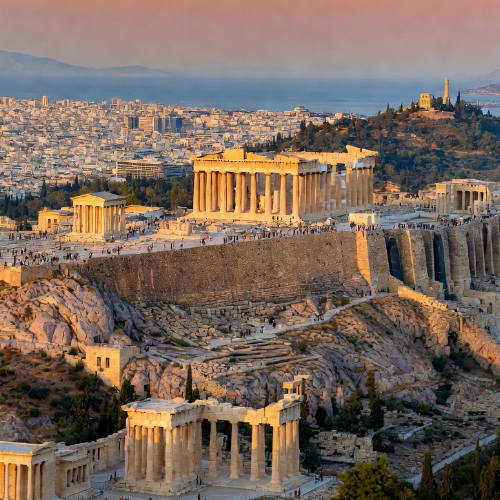
Discover the Acropolis of Athens: Crown Jewel of Ancient ...
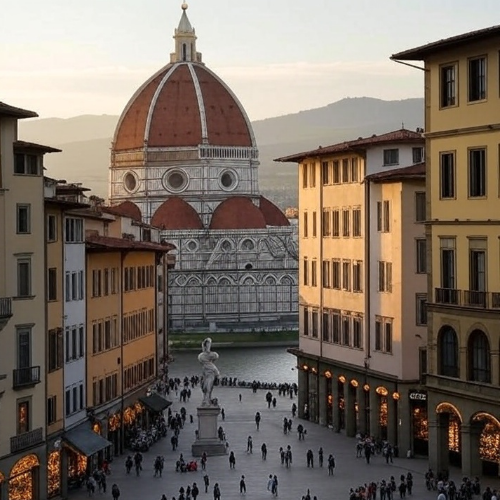
Florence: Tuscany’s Timeless Treasure Florence stands as the most ...
Leave A Reply