SOUTHERN THAILAIND
Phuket: Thailand’s Premier Tropical Paradise Phuket, the jewel of ...


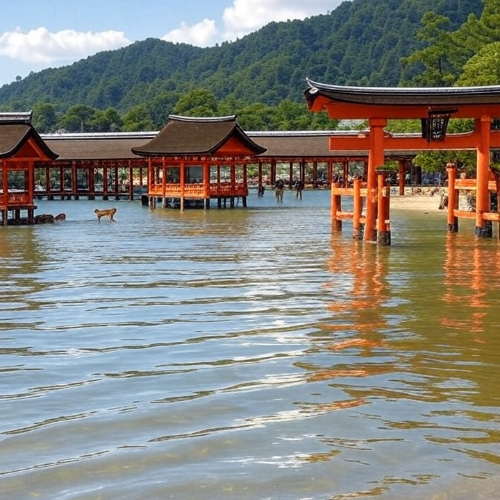
Discover the Enchanting Itsukushima Shrine on Miyajima Island, Hiroshima
Nestled in the serene Seto Inland Sea, the Itsukushima Shrine on Miyajima Island stands as the Chūgoku region’s most iconic treasure and a UNESCO World Heritage Site. Renowned for its breathtaking “floating” red torii gate, which appears to rise from the sea at high tide, this sacred Shinto shrine dedicated to the goddess of the sea captivates visitors with its harmonious blend of nature and spirituality. Dating back to the 6th century, the shrine’s elegant wooden structures, built on stilts over the water, create a mesmerizing scene that feels like stepping into a painting.
As you step off the ferry onto Miyajima, friendly deer—considered sacred messengers—greet you, adding a whimsical charm to the island. Wander the shrine’s corridors, where the interplay of tides and architecture creates a dynamic experience. Beyond the shrine, explore Daisho-in Temple, with its colorful statues and tranquil gardens, or hike Mount Misen for panoramic views of the sea and surrounding islands. The trail, accessible by ropeway or foot, rewards with serene forests and ancient shrines, making it a must for nature lovers.
Miyajima’s charm extends to its culinary delights. Savor Hiroshima-style okonomiyaki or indulge in momiji manju, maple-leaf-shaped pastries filled with sweet red bean or custard. The island’s quaint shopping street, Omotesando, is perfect for picking up local crafts and souvenirs.Travel Tips:
Itsukushima Shrine is more than a destination—it’s a spiritual and visual masterpiece that embodies Japan’s timeless beauty. Plan your visit to this enchanting island for an unforgettable journey into Chūgoku’s heart.
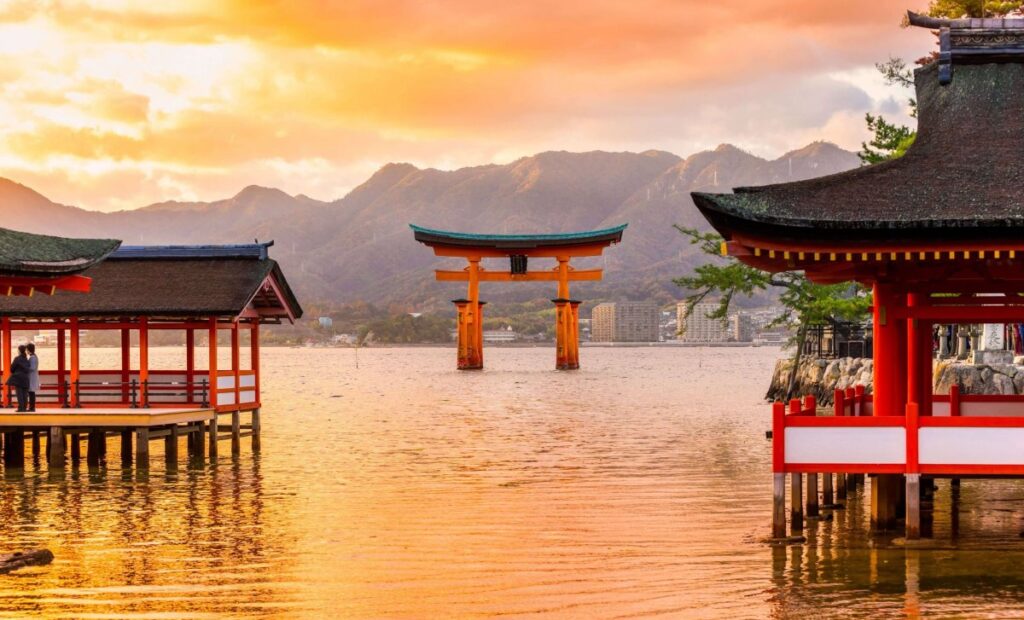
Additionally, you can conveniently discover a variety of captivating tourist destinations throughout Chugoku of JAPAN. – WTTD is thrilled to recommend top travel attractions for your next adventure! #WTTD
1. Hiroshima Peace Memorial Park and Museum, Hiroshima
Reflect on Peace and Resilience
Hiroshima’s Peace Memorial Park is a moving tribute to the victims of the 1945 atomic bombing. The Atomic Bomb Dome, a UNESCO site, stands as a haunting reminder, while the Peace Memorial Museum offers powerful exhibits on the city’s recovery. Stroll through the park’s monuments, like the Children’s Peace Monument, and join a peace ceremony if visiting in August.
Travel Tips:
2. Hiroshima Castle (Carp Castle), Hiroshima
Step into Samurai History
Hiroshima Castle, nicknamed Carp Castle for its moat-dwelling fish, is a striking reconstruction of a 16th-century fortress. Explore its museum for samurai artifacts and climb to the top for panoramic city views. Surrounded by cherry blossoms in spring, it’s a perfect blend of history and beauty.
Travel Tips:
3. Okunoshima (Rabbit Island), Hiroshima
Hop into Rabbit Paradise
Okunoshima, a small island near Hiroshima, is a haven for hundreds of friendly wild rabbits. Known as Rabbit Island, it’s a delightful spot for animal lovers, with bunnies hopping freely around beaches and trails. The island also has a dark history as a former poison gas factory, with remnants to explore.
Travel Tips:
4. Tomoe Onsen (Takehara), Hiroshima
Stroll Through Old Japan
Takehara, often called Hiroshima’s “Little Kyoto,” charms with its Edo-period streets lined with traditional merchant houses and sake breweries. Visit the historic Saihoji Temple and enjoy the serene ambiance of this preserved port town. It’s a hidden gem for those seeking authentic Japan.
Travel Tips:
5. Korakuen Garden, Okayama
Wander Japan’s Finest Garden
Korakuen Garden, one of Japan’s top three landscape gardens, captivates with its manicured lawns, koi ponds, and teahouses. Built in the 17th century, it offers seasonal beauty—cherry blossoms in spring and fiery maples in autumn. The nearby Okayama Castle adds a dramatic backdrop.
Travel Tips:
6. Okayama Castle (Crow Castle), Okayama
Admire the Black Fortress
Okayama Castle, known as Crow Castle for its dark exterior, stands proudly by the Asahi River. Its reconstructed keep houses a museum on feudal history, and the top floor offers sweeping city views. The castle’s black-and-gold aesthetic is a striking contrast to nearby Korakuen Garden.
Travel Tips:
7. Kurashiki Bikan Historical Quarter, Okayama
Cruise Through Time
Kurashiki’s Bikan Historical Quarter transports you to the Edo period with its willow-lined canals and white-walled storehouses. Explore the Ohara Museum of Art or take a boat ride along the canal for a romantic experience. This charming district feels like a living museum.
Travel Tips:
8. Oni no Shitaburui, Okayama
Meet the Demon of the Mountains
Tucked in Okayama’s mountains, Oni no Shitaburui is a quirky hidden gem featuring a giant demon statue tied to local folklore. This offbeat spot offers a fun photo opportunity and a peaceful escape into nature, perfect for adventurous travelers.
Travel Tips:
9. Saijō Inari, Okayama
Find Serenity at a Sacred Shrine
Saijō Inari, one of Japan’s top Inari shrines, blends Shinto and Buddhist elements in a tranquil setting. Its vibrant red gates and spiritual ambiance make it a must-visit for those seeking peace and cultural depth. The surrounding gardens add to the serene experience.
Travel Tips:
10. Izumo Taisha (Izumo Grand Shrine), Shimane
Pray at Japan’s Oldest Shrine
Izumo Taisha, dedicated to the god of marriage, is one of Japan’s most ancient Shinto shrines. Its massive shimenawa (sacred rope) and unique prayer ritual (clap four times) make it a spiritual highlight. Visit in October, known as the “month of the gods,” for vibrant festivals.
Travel Tips:
11. Adachi Museum of Art, Shimane
Marvel at Art and Gardens
The Adachi Museum of Art in Yasugi is a masterpiece of art and nature. Its award-winning Japanese gardens, viewable through large windows, complement a stellar collection of modern Japanese paintings. It’s a serene escape for art lovers and nature enthusiasts alike.
Travel Tips:
12. Matsue Castle, Shimane
Explore an Original Castle
Matsue Castle, one of Japan’s few remaining original castles, looms over Shimane with its dark wooden exterior. Nicknamed the “Black Castle,” it offers historical exhibits and panoramic views from the top. The surrounding moat and cherry trees add to its charm.
Travel Tips:
13. Iwami Ginzan Silver Mine, Shimane
Uncover a Mining Legacy
A UNESCO World Heritage Site, Iwami Ginzan Silver Mine offers a journey into Japan’s mining past. Wander through the forested mine shafts, visit the historic Ryugenji Mabu tunnel, and explore nearby samurai houses. The tranquil setting feels like stepping back in time.
Travel Tips:
14. Tsuwano (Little Kyoto), Shimane
Stroll Through Samurai Streets
Tsuwano, dubbed “Little Kyoto,” is a charming castle town with samurai residences, koi-filled streams, and a historic Catholic church. Climb to Tsuwano Castle ruins for panoramic views or visit the Tonomachi district for a taste of old Japan.
Travel Tips:
15. Tottori Sand Dunes, Tottori
Adventure in Japan’s Desert
The Tottori Sand Dunes, part of the Sanin Coast, are Japan’s only large-scale dunes, offering a surreal desert-like experience. Try sandboarding, camel rides, or simply marvel at the dramatic landscape against the Sea of Japan.
Travel Tips:
16. Mount Daisen, Tottori
Hike the Sacred Peak
Mount Daisen, the highest peak in Chūgoku, is a haven for hikers and skiers. Its trails lead through ancient forests to shrines like Daisen-ji Temple, with sweeping views of the region. In winter, it transforms into a snowy playground.
Travel Tips:
17. Mizuki Shigeru Road, Tottori
Meet Manga Monsters
Sakaiminato’s Mizuki Shigeru Road is a delight for manga fans, lined with over 100 bronze statues of characters from GeGeGe no Kitarō. Visit the Mizuki Shigeru Museum to dive into the creator’s spooky world, blending folklore and fun.
Travel Tips:
18. Kintaikyo Bridge, Yamaguchi
Cross a Historic Masterpiece
The Kintaikyo Bridge in Iwakuni is a stunning 17th-century wooden arch bridge, a marvel of engineering. Spanning the Nishiki River, it’s especially beautiful during cherry blossom season. Nearby Iwakuni Castle adds historical allure.
Travel Tips:
We sincerely thank Suzuki for providing us with a beautiful photo and a wonderful video that clearly showcase Tohoku, Japan.
He also shared 18 photos of 18 famous tourist check-in locations. We truly appreciate this amazing cooperation.
Thank you very much for visiting WTTD. We look forward to receiving your sincere and constructive feedback. We wish you a happy and enjoyable trip!
WTTD- Easy and Happy 💕💖💕
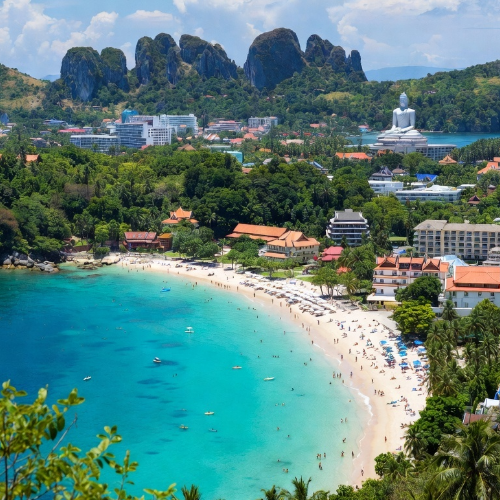
Phuket: Thailand’s Premier Tropical Paradise Phuket, the jewel of ...
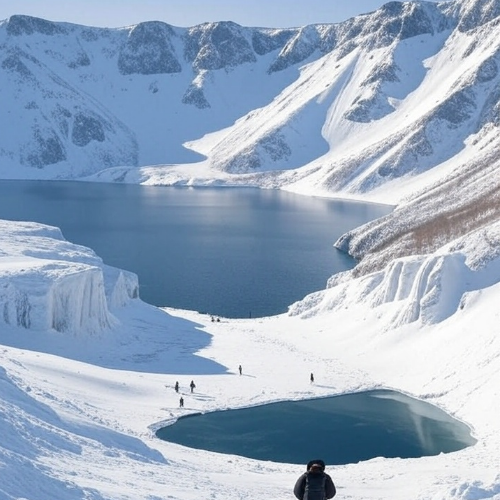
The Most Famous Attraction: Changbai Mountain Changbai Mountain (Changbaishan) ...
Leave A Reply