BURGENLAND, AUSTRIA
Discover Lake Neusiedl: Burgenland’s Crown Jewel Welcome to Lake ...



Melk Abbey: Lower Austria’s Baroque Masterpiece and Most Iconic Landmark
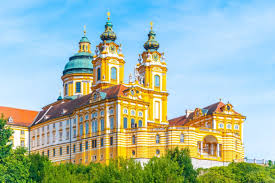
Melk Abbey (Stift Melk) stands as a breathtaking UNESCO World Heritage site and one of Europe’s finest Baroque ensembles. Perched majestically on a rocky promontory high above the Danube River, this Benedictine monastery has captivated visitors for centuries with its golden-yellow facade, twin towers, and dramatic setting overlooking the scenic Wachau Valley. Founded in 1089 and grandly rebuilt in the early 18th century by architect Jakob Prandtauer, it symbolizes Austria’s rich spiritual, cultural, and architectural heritage — drawing over 500,000 visitors annually.
From the moment you approach, the abbey’s imposing scale impresses. Step inside to explore the Imperial Staircase with its stunning frescoes, the opulent Marble Hall adorned with intricate stucco work and paintings, and the world-renowned library — a Baroque jewel housing around 100,000 volumes, ancient manuscripts, and a celestial ceiling fresco. The highlight is the magnificent abbey church, bursting with gold, marble altars, and vibrant frescoes that embody high Baroque splendor. Outside, wander the terraced gardens for panoramic views of the winding Danube and surrounding vineyards.
Travel Tips: Easily reach Melk by train from Vienna (about 1 hour); the station is a short (uphill) walk away. Buy tickets online to skip lines and join guided tours (English available). Visit early morning or late afternoon to avoid crowds; spring brings blooming gardens, while summer hosts concerts. Combine with a Danube cruise or bike ride through the Wachau for a full day of beauty. Wear comfortable shoes for steps, and allow 2–3 hours to fully appreciate this timeless treasure — it’s the perfect introduction to Lower Austria’s enchanting charm!
Additionally, you can conveniently discover a variety of captivating tourist destinations throughout LOWER AUSTRIA (LINZ) – WTTD is thrilled to recommend top travel attractions for your next adventure! #WTTD
1. Wachau Valley: Scenic Danube Wine Paradise
The Wachau Valley, a UNESCO-listed stretch of the Danube, enchants with terraced vineyards, apricot orchards, and medieval villages. This 30km paradise between Melk and Krems offers rolling hills, historic castles, and world-class Grüner Veltliner wines. Cycle paths wind through blooming landscapes, making it a haven for nature lovers and epicureans.
Travel Tips: Rent bikes in Krems for a leisurely 20-30km ride. Visit in autumn for harvest festivals and vibrant foliage. Join wine tastings at Heuriger taverns; boat cruises from Melk add romance. Stay in family-run guesthouses; pack sunscreen and water for outdoor adventures.
2. Dürnstein: Medieval Charm on the Danube
Dürnstein, a fairy-tale village in the Wachau Valley, boasts colorful Baroque buildings, a striking blue church tower, and the ruins of Kuenringer Castle where Richard the Lionheart was imprisoned. Surrounded by vineyards, it’s a romantic spot for wandering cobblestone streets and savoring local apricots and wines.
Travel Tips: Hike to castle ruins for panoramic Danube views (20-30 min uphill). Arrive by boat from Krems for a scenic entry. Spring apricot blossoms are magical; dine at riverside eateries. Avoid peak summer crowds by visiting early; combine with nearby abbeys.
3. Krems an der Donau: Gateway to Wachau’s History
Krems, a historic riverside town, blends medieval charm with modern art. Its UNESCO old town features Gothic Steiner Tor gate, cobblestone alleys, and the Kunstmeile (art mile) with galleries and museums. As Wachau’s eastern hub, it’s perfect for wine explorations and cultural dives.
Travel Tips: Train from Vienna (1 hour) is easy. Explore on foot or e-bike; visit Kunsthalle for contemporary exhibits. Wine festivals in fall; stay in boutique hotels. Pair with Dürnstein day trip; try local Marillenknödel dumplings.
4. Göttweig Abbey: Panoramic Baroque Retreat
Göttweig Abbey, a pink-hued Baroque jewel atop a hill, offers stunning views over the Wachau Valley. Founded in 1083, it features frescoed halls, a grand library, and an imperial staircase. Active Benedictine monks produce award-winning wines, adding a flavorful touch to visits.
Travel Tips: Bus from Krems (15 min). Guided tours reveal hidden treasures; taste abbey wines in the cellar. Sunset visits for golden vistas. Combine with hiking trails; book organ concerts in summer.
5. Carnuntum Archaeological Park: Step Back to Roman Times
Carnuntum brings ancient Rome to life with reconstructed villas, baths, and an amphitheater. This open-air museum, once a thriving legionary city, offers gladiator shows, interactive exhibits, and ruins spanning 400 years of history – a thrilling journey for history buffs.
Travel Tips: Train from Vienna (40 min). Weekend events like Roman festivals; audio guides available. Allow 2-3 hours; picnic in grounds. Visit in summer for live reenactments; family-friendly with kid activities.
6. Schneeberg: Lower Austria’s Highest Peak
Schneeberg, at 2,076m, crowns Lower Austria with alpine meadows, wildflowers, and panoramic views to Vienna. The cog railway ascends through forests, leading to hikes, wildlife spotting (chamois, eagles), and fresh mountain air – an adventurer’s playground.
Travel Tips: Cog train from Puchberg (1 hour ride). Hike summit trails (moderate difficulty); check weather apps. Summer for blooms, winter for snowshoeing. Pack layers and snacks; nearby huts serve hearty meals.
7. Raxalpe: Alpine Plateau Adventures
Raxalpe, a vast limestone plateau, beckons with cable car rides, via ferrata climbs, and hiking paths amid jagged peaks. At 2,000m, it offers fresh springs, wildflowers, and Vienna views – ideal for outdoor enthusiasts seeking tranquility and thrills.
Travel Tips: Cable car from Reichenau (quick ascent). Easy walks or challenging climbs; guided tours for safety. Spring for wildflowers; bring sturdy boots. Combine with Semmering; refuel at mountain inns.
8. Klosterneuburg Monastery: Historic Gem Near Vienna
Klosterneuburg Monastery, founded in 1114, impresses with its Romanesque and Baroque elements, including the famous Verdun Altar – a medieval enamel masterpiece. Overlooking the Danube, it houses a winery and museum, blending faith, art, and viticulture.
Travel Tips: S-Bahn from Vienna (20 min). Tours highlight the altar; wine tastings year-round. Gardens for picnics; visit during festivals. Easy day trip; audio guides in multiple languages.
9. Semmering Railway: UNESCO Engineering Marvel
The Semmering Railway, a 19th-century UNESCO wonder, twists through mountains with viaducts, tunnels, and breathtaking vistas. This historic line from Gloggnitz to Mürzzuschlag offers scenic rides amid alpine scenery – a blend of engineering and nature.
Travel Tips: Train from Vienna (1 hour). Ride the heritage line for nostalgia; hike alongside tracks. Winter for snowy magic; check schedules online. Pair with Raxalpe; enjoy onboard commentary.
10. Laxenburg Castle & Park: Romantic Imperial Grounds
Laxenburg’s sprawling park features lakes, follies, and the fairy-tale Franzensburg Castle – once a Habsburg summer retreat. With boat rides, gardens, and hidden grottos, it’s a serene escape for picnics, walks, and romantic outings near Vienna.
Travel Tips: Bus from Vienna (30 min). Rent boats in summer; explore by bike. Spring blossoms ideal; entry fee for castle tours. Family-friendly with playgrounds; pack a picnic.
11. Aggstein Castle Ruins: Dramatic Danube Overlook
Aggstein’s medieval ruins crown a cliff above the Danube, offering epic Wachau views. Built in the 12th century, this “Rosamunde’s Castle” features towers, chapels, and legends of knights – a photogenic spot for history and hikes.
Travel Tips: Bus from Melk (20 min), then short hike. Medieval festivals in summer; audio guides available. Sunset for stunning photos; wear sturdy shoes. Combine with valley wine tours.
12. Donau-Auen National Park: Pristine Floodplain Wilderness
Europe’s largest floodplain forest, Donau-Auen National Park protects diverse wildlife (beavers, eagles) along the Danube. Boat tours, cycling paths, and hides reveal untouched nature – a biodiversity hotspot for eco-adventurers.
Travel Tips: Entrance from Orth (near Vienna). Guided canoe trips for immersion; bike rentals on site. Spring for birdwatching; bring binoculars. Free entry; respect wildlife rules.
13. St. Pölten: Modern Capital with Baroque Roots
St. Pölten, Lower Austria’s capital, mixes contemporary architecture (like the Festspielhaus) with historic Baroque squares and museums. Vibrant cafes, street art, and the Landhaus district make it a cultural underdog worth exploring.
Travel Tips: Train from Vienna (30 min). Walking tours cover highlights; visit museums for free on Sundays. Summer festivals; try local beers. Base for regional day trips.
14. Ötschergräben: Austria’s Grand Canyon
Ötschergräben’s deep gorges, waterfalls, and turquoise rivers carve through limestone, earning it “Austria’s Grand Canyon” moniker. Hiking trails cross bridges and tunnels amid dramatic scenery – a thrill for nature hikers.
Travel Tips: Train to Wienerbruck (2 hours from Vienna), then hike (4-6 hours). Waterproof gear for misty falls; moderate fitness needed. Summer for swimming holes; guided tours available. Pack lunch for remote spots.
WTTD- EASY AND HAPPY 💕💖💕
Discover Lake Neusiedl: Burgenland’s Crown Jewel Welcome to Lake ...

Discover Schlossberg & Uhrturm: Graz’s Timeless Icon Perched 123 ...
Leave A Reply