MARCHE, ITALY
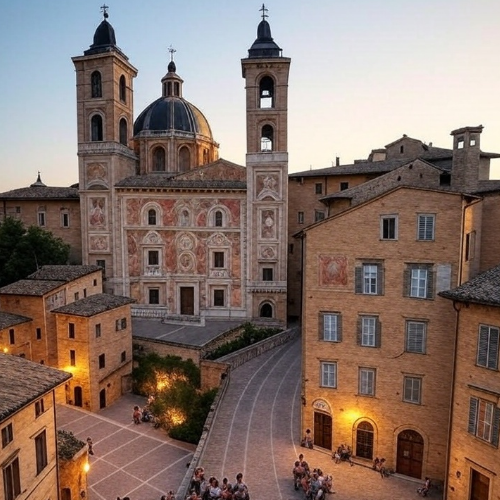
Urbino: Renaissance Treasure Urbino stands out as the most ...



Ancient Olympia: Where the Olympic Spirit Was Born
Nestled in a serene, olive-shaded valley in western Peloponnese, Ancient Olympia is one of Greece’s most revered UNESCO World Heritage Sites and the eternal cradle of the Olympic Games. Founded around 776 BC, this sanctuary honored Zeus with grand temples, athletic facilities, and rituals that united the ancient Greek world every four years. Competitors from across the Hellenic lands gathered here not just for sport, but for peace, as a sacred truce halted wars during the Games.
Wander the sprawling ruins: marvel at the original stadium’s simple dirt track where runners sprinted 192 meters (one stadion), the Palaestra where wrestlers trained, and the once-majestic Temple of Zeus, home to Phidias’ colossal gold-and-ivory statue—one of the Seven Wonders of the Ancient World. The Philippeion honored Philip II of Macedon, while the archaeological museum showcases treasures like the iconic Hermes of Praxiteles statue and the pediments from Zeus’ temple depicting mythic battles.
Today, the site evokes timeless ideals of excellence, fair play, and human achievement. The Olympic flame still ignites here for every modern Games, linking past to present.
Travel Tips — Reach Olympia by car or bus from Athens (about 4 hours) or nearby Patras (1 hour). Visit early morning or late afternoon to beat crowds and enjoy cooler temperatures amid pine groves. Guided tours bring the myths alive—highly recommended. Combine with the excellent on-site museum, then relax in modern Olympia village with local tavernas serving grilled lamb, fresh salads, and regional wines. Spring or fall offers ideal weather with blooming wildflowers or fewer tourists. Wear comfortable shoes for walking the uneven terrain, and bring water—it’s a site that rewards slow, thoughtful exploration.
Ancient Olympia isn’t just ruins; it’s the living heartbeat of athletic tradition. A visit here inspires awe and reminds us why the Olympics endure as a global symbol of unity and striving.

Additionally, you can conveniently discover a variety of captivating tourist destinations throughout Peloponnese ( Peloponnisos), Greece – WTTD is thrilled to recommend top travel attractions for your next adventure! #WTTD
1. Ancient Theatre of Epidaurus: Echoes of Ancient Drama
Nestled in the lush hills of the Peloponnese, the Ancient Theatre of Epidaurus is a UNESCO World Heritage marvel built in the 4th century BC. Renowned for its flawless acoustics—whisper from the stage and hear it in the top row—this 14,000-seat amphitheater hosted plays, festivals, and healing rituals in honor of Asclepius, the god of medicine. Surrounded by pine forests and ancient ruins, it’s a timeless portal to Greek antiquity.
Key attractions include the symmetrical stone tiers, the orchestra pit, and the nearby Sanctuary of Asclepius with its tholos and museum. In summer, catch a modern performance under the stars for an unforgettable experience.
Travel tips: Drive from Athens (about 2 hours) or Nafplio (30 minutes). Visit early morning to avoid crowds; wear comfortable shoes for climbing. Combine with a hike in the surrounding trails and stay in nearby Lygourio for authentic tavernas serving fresh Greek salads and souvlaki.
2. Mycenae: The Legendary Citadel of Kings
Mycenae, the Bronze Age powerhouse immortalized in Homer’s epics, rises dramatically on a hilltop. Enter through the iconic Lion Gate—two carved lions guarding the entrance—and wander cyclopean walls built by mythical giants. This UNESCO site was home to Agamemnon, with treasures like the beehive-shaped Treasury of Atreus tomb and royal palaces evoking tales of Troy and tragedy.
Must-sees: The grave circles with golden masks (now in Athens’ museum), underground cisterns, and panoramic views. It’s a thrilling blend of archaeology and legend.
Travel advice: Easy day trip from Nafplio (20 minutes) or Athens (1.5 hours). Go at sunset for golden light; bring water and sun protection. Stay in nearby Mycenae village for rustic accommodations and try moussaka at family-run eateries.
3. Nafplio: Romantic Seaside Gem
Nafplio, Greece’s first capital after independence, charms with neoclassical mansions, Venetian fortresses, and a picturesque harbor. Stroll Syntagma Square’s marble streets, lined with bougainvillea and cafes, or climb 999 steps to Palamidi Castle for breathtaking views of the Argolic Gulf and Bourtzi islet fortress.
Attractions: The Archaeological Museum, Akronafplia walls, and vibrant waterfront promenades. It’s a perfect mix of history, culture, and relaxation.
Tips: Reach by bus from Athens (2 hours). Explore by foot or bike; visit in off-season for fewer crowds. Enjoy sunset cocktails at a seaside bar, then dine on fresh seafood. Base here for multi-day Peloponnese tours.
4. Monemvasia: The Medieval Rock Fortress
Dubbed the “Gibraltar of the East,” Monemvasia is a Byzantine castle town perched on a massive rock island connected by a causeway. Wander cobbled lanes past stone houses, churches with frescoes, and cliffside views of the Aegean. Founded in the 6th century, it’s a living museum of Venetian and Ottoman history.
Key spots: The upper town’s ruins, Agia Sofia Church, and lower town’s boutiques. Sunset from the ramparts is magical.
Suggestions: Drive from Sparta (1 hour) or Athens (4 hours). Stay in a boutique hotel inside the walls for immersion. Hike to the top early; sample local Malvasia wine with meze. Ideal for romantic getaways or history buffs.
5. Ancient Corinth: Crossroads of Empires
Ancient Corinth, a bustling hub of trade and vice in antiquity, boasts ruins like the Temple of Apollo with its seven standing columns, the Roman Forum, and the Bema where St. Paul preached. Overlooking the Isthmus, it offers insights into Greek, Roman, and early Christian eras.
Highlights: The Peirene Fountain, Acrocorinth fortress hike, and museum artifacts. It’s compact yet profound.
Travel tips: Short drive from Athens (1 hour). Combine with the Corinth Canal nearby. Visit midday; wear hats for sun. Stay in Loutraki for thermal spas and casino, enjoying grilled octopus at tavernas.
6. Corinth Canal: Engineering Wonder
Slicing through the Isthmus of Corinth, this 19th-century canal connects the Aegean and Ionian Seas in a narrow, 300-foot-deep gorge. Watch ships pass mere feet from sheer cliffs or bungee jump for thrills. Dreamed up by ancient rulers like Nero, it’s a testament to human ingenuity.
Attractions: Viewing bridges, boat tours through the canal, and nearby beaches.
Advice: Accessible from Athens (1 hour). Best viewed from above; take a cruise for the full experience. Pack snacks; nearby Corinth offers hotels and souvlaki spots. Perfect add-on to Ancient Corinth visits.
7. Mystras: Byzantine Ghost Town
Perched on Taygetos Mountain slopes near Sparta, Mystras is a UNESCO-listed Byzantine city abandoned in the 19th century. Explore frescoed churches, palaces, and monasteries amid olive groves, once the capital of the Morea Despotate.
Must-sees: The Palace of the Despots, Pantanassa Monastery (still active nuns), and stunning valley views. It’s a hike through history.
Tips: Bus from Sparta (10 minutes). Wear sturdy shoes for steep paths; go in cooler months. Combine with Sparta’s sites; stay in Mystras village for cozy guesthouses and lamb kleftiko.
8. Mani Peninsula: Rugged Tower Villages
The wild Mani Peninsula juts into the sea with stone tower houses built for defense amid feuds. Villages like Vathia and Kardamyli offer dramatic coastlines, Byzantine chapels, and hiking trails through olive-strewn hills.
Attractions: Diros Caves boat tours, tower explorations, and pristine beaches like Foneas.
Suggestions: Rent a car for the winding roads from Kalamata (1-2 hours). Stay in a tower hotel for authenticity. Hike gorges; try local siglino (smoked pork) and honey. Best for adventure seekers.
9. Voidokilia Beach: Nature’s Perfect Curve
Shaped like the Greek letter omega, Voidokilia Beach is a stunning crescent of golden sand backed by dunes and a lagoon. Protected as a Natura 2000 site, it’s ideal for swimming in crystal waters and spotting wildlife.
Highlights: Nearby Gialova Lagoon for birdwatching, Old Navarino Castle ruins, and serene sunsets.
Travel tips: Drive from Pylos (15 minutes). Visit off-peak to avoid crowds; bring picnic supplies. Snorkel or hike to the castle; stay in nearby Gialova for eco-lodges and fresh fish.
10. Ancient Messene: Hidden Hellenistic Gem
Tucked in a fertile valley, Ancient Messene boasts remarkably preserved ruins from the 4th century BC, including a vast theater, stadium, and Asclepeion complex. Founded by Epaminondas, it’s less crowded than Olympia but equally impressive.
Key attractions: The arcaded stadium, city walls, and museum. Surrounded by mountains, it’s photogenic.
Advice: From Kalamata (45 minutes by car). Guided tours recommended; spring for wildflowers. Pair with Ithomi Mountain hike; overnight in Mavromati village for simple comforts and yogurt with honey.
11. Temple of Apollo Epicurius at Bassae: Mountain Sanctuary
High in the Arcadian mountains, this UNESCO temple from 420 BC, designed by Parthenon’s architect, features the first Corinthian column. Dedicated to Apollo the Helper, its isolated location preserves its Doric-Ionic-Corinthian blend amid wild scenery.
Highlights: The well-preserved colonnade and interior friezes (now in British Museum replicas).
Tips: Challenging drive from Olympia (1.5 hours); 4WD helpful. Visit in clear weather; wear layers for altitude. No nearby stays—day trip and picnic; explore nearby hikes for panoramic views.
Urbino: Renaissance Treasure Urbino stands out as the most ...
The Wadden Sea National Park: Lower Saxony’s Crown Jewel ...
Leave A Reply